Looking for a place where historic homes, local shops, and everyday convenience all come together? Historic Downtown Farmington offers that rare mix of small-city charm and practical daily living. If you are thinking about buying near downtown or simply want a better feel for the area, this guide will walk you through the homes, public spaces, and routines that shape life here. Let’s dive in.
Downtown Farmington at a Glance
Historic Downtown Farmington centers on Grand River Avenue and Farmington Road. City materials describe it as a small-town downtown with one- and two-story buildings set close to the sidewalk, plus street trees, ornamental lighting, wider sidewalks, and on-street parking.
That design matters in daily life. It creates a compact core where you can move between shops, restaurants, and public spaces without everything feeling spread out. At the same time, nearby parking keeps the area practical for quick stops and evening plans.
Historic Homes Near Downtown
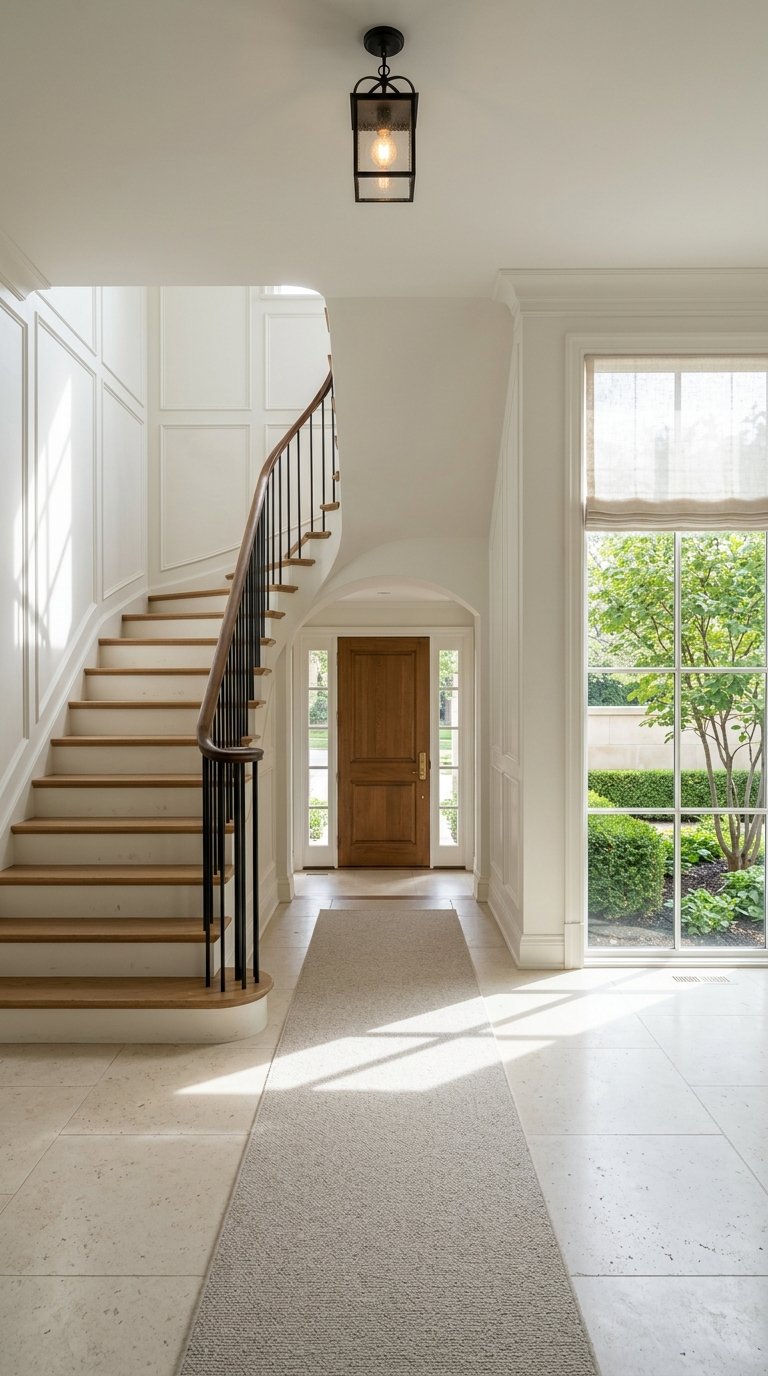
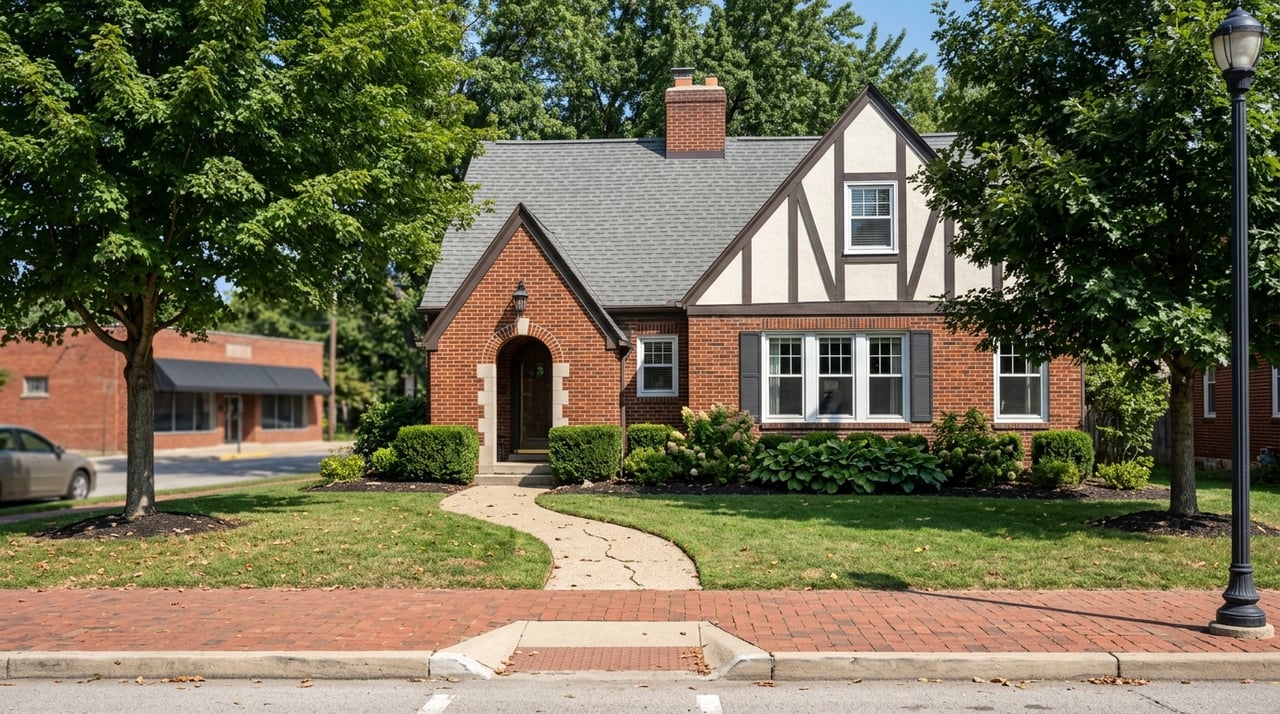
One of the biggest draws of Farmington is its historic residential setting. The city says its Historic District surrounds the central business district on the north and west sides and preserves much of the original settlement area dating back to the early 1800s.
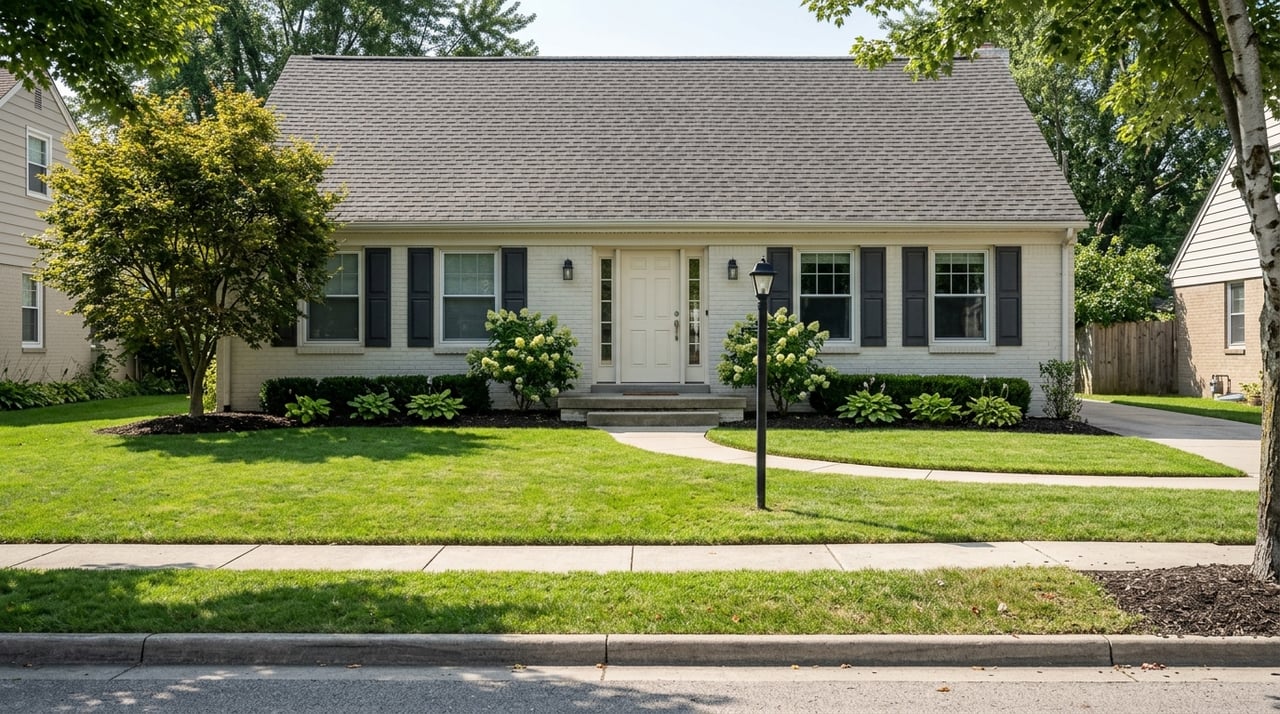
You can also see that history in the architecture. The city identifies homes in the area as examples of Michigan farmhouse, Greek Revival, Gothic, Victorian, and Bungalow styles. Landmark properties such as the Masonic Temple, former town hall, the Farmington Civic Theater, and the Governor Warner Mansion help reinforce that sense of place.
For buyers, this usually means you are looking at a more established housing environment rather than a new-subdivision setting. Farmington’s master plan says the city’s housing stock is about 62% single-family and 38% multi-unit, with a median housing age of 58 years. Only 3.5% of homes were built after 1999, which supports the idea that older housing is a defining part of the market.
What Buyers Should Expect
If you are considering a home near downtown, it helps to go in with the right expectations. The city notes that neighborhoods north and west of downtown contain many of the oldest homes in Farmington, and many are in good condition.
The broader housing mix is also more varied than some buyers expect. Across the city, you will find smaller homes on small lots, larger homes, townhouses, condominiums, apartments, and senior housing. That variety can give you more options if you want historic character near a compact downtown but still need a certain price point or property type.
Citywide figures give useful context here. Census QuickFacts reports a median owner-occupied home value of $297,200 and an owner-occupancy rate of 61.7%, while the city master plan says about 32% of housing is renter-occupied. Those numbers are not downtown-only, but they do help frame the local housing landscape.
Shops and Errands in Downtown Farmington
A downtown only feels useful if it supports real day-to-day life, and Farmington checks that box well. The downtown business directory includes restaurants, coffee shops, boutiques, clothing stores, fitness studios, banks, legal offices, medical and dental practices, personal care services, daycare, entertainment, and theater uses.
That range makes a difference in how you use the area. Instead of planning separate trips for coffee, a quick errand, and dinner, you can often stack them into one outing. For many buyers, that kind of convenience adds real value to living near the historic core.
Parking helps, too. Downtown Farmington says there are multiple free, untimed parking lots within a few minutes’ walk of the central business district, along with on-street parking on Grand River Avenue and Farmington Road.
Daily Life Feels Easy Here
When people talk about lifestyle, they often mean the simple things that make a week run smoothly. In Downtown Farmington, that can mean grabbing coffee, picking up carryout, stopping by the library, and meeting friends in a public square without needing a long drive between each stop.
The Farmington Community Library’s downtown branch is one example of that everyday convenience. Located at 23500 Liberty Street, the branch offers Monday through Thursday hours from 9 a.m. to 9 p.m., Friday and Saturday hours from 10 a.m. to 6 p.m., and Sunday hours from 1 p.m. to 5 p.m. Downtown Farmington also notes that the library offers events for all ages, study rooms, and other services.
The Farmington Civic Theater is another major part of local routine. Downtown Farmington says the theater has been a fixture since 1940 and attracts nearly 80,000 visitors each year. For residents, that gives downtown an entertainment anchor that adds activity well beyond standard business hours.
Parks and Public Spaces Shape the Neighborhood
Historic Downtown Farmington is not just about storefronts. Public gathering spaces play a major role in how the area functions and feels.
Riley Park is one of the best examples. It hosts regular events and helps create a rhythm to the week and the season. The Farmers & Artisans Market takes place there on Saturdays from 9 a.m. to 2 p.m., from May 2 through Nov. 7, at the Sundquist Pavilion. Its official site describes it as an award-winning, community-centered market with music and special programs.
That kind of recurring event can tell you a lot about a downtown. It suggests that public space is not just decorative here. It is actively used and woven into everyday life.
Downtown Farmington also says Riley Park and the Sundquist Pavilion host events such as Rhythms in Riley Park, Lunch Beats, and Harvest Moon Celebration. In winter, the city’s refrigerated ice rink opens in mid-December and is open daily, weather permitting, which helps keep the downtown active through colder months.
Social Spaces and Seasonal Activity
Another feature that sets downtown apart is The Syndicate, Farmington’s social district. According to Downtown Farmington, the district includes Riley Park, Dinan Park, and portions of Grand River Avenue and Farmington Road, allowing patrons to purchase beverages from participating restaurants and bars for use in designated outdoor areas.
This adds flexibility to how people spend time downtown. You can meet friends, enjoy an outdoor seat, and move through a few nearby spaces without the district feeling overly formal or rigid.
Masonic Plaza and Dinan Park also add to the everyday appeal. Downtown Farmington describes Masonic Plaza as a good spot for carryout, coffee, and meetups. It describes Dinan Park as a universally accessible pocket park with seating, fireplaces, and summer live music.
Family Routines in the Historic Core
For many buyers, a neighborhood’s appeal comes down to whether it supports regular, low-stress routines. Downtown Farmington’s programming shows a clear pattern of community-oriented events built into the local calendar.
The Family Fun in Riley Park programming is a good example. Downtown Farmington encourages visitors to bring a lawn chair or blanket, pick up carryout from downtown restaurants, and picnic in the park. If weather changes plans, the activities move to the Farmington Community Library.
That blend of park space, local dining, and flexible community programming says a lot about the area. It reflects a downtown where daily life is not only about shopping or commuting, but also about having easy places to gather and spend time.
Who Is a Good Fit for Downtown Farmington?
Historic Downtown Farmington tends to fit buyers who want older homes, local character, and a compact downtown feel. If you like the idea of living near a civic center with shops, events, and public spaces close together, this area may be worth a closer look.
It is also important to understand the tradeoffs. This is not a brand-new, low-density subdivision environment. The housing is older, the district is mixed-use, and the setting becomes more auto-oriented as you move west beyond the historic core.
For many buyers, that tradeoff is exactly the appeal. You get an established setting with a stronger sense of history, a more walkable center, and a downtown that supports both errands and leisure in a short radius.
Why This Area Stands Out
What makes Historic Downtown Farmington stand out is balance. It offers a historic core with recognizable architecture and long-standing civic landmarks, but it also functions as a practical place for everyday errands and seasonal events.
That combination can be hard to find. Some places feel charming but limited in daily usefulness. Others feel convenient but lack identity. Downtown Farmington brings together both sides of the equation in a way that many buyers find appealing.
If you are comparing neighborhoods in and around Farmington, it helps to look beyond square footage alone. The age of the housing, the public spaces, the library, the theater, the market, and the concentration of local businesses all shape what it feels like to live here from one day to the next.
If you want help exploring homes near Historic Downtown Farmington or comparing this area with other nearby neighborhoods, reach out to Charles Camilleri. You will get practical guidance, local insight, and a clear plan for your next move.
FAQs
What types of homes are common near Historic Downtown Farmington?
- Homes near Historic Downtown Farmington often reflect older architecture, including Michigan farmhouse, Greek Revival, Gothic, Victorian, and Bungalow styles, with the oldest homes generally located north and west of downtown.
What is daily life like in Downtown Farmington?
- Daily life in Downtown Farmington centers on convenience and community, with restaurants, coffee shops, services, the library, public parks, and entertainment clustered around the Grand River Avenue and Farmington Road area.
Is parking easy in Downtown Farmington?
- Downtown Farmington says there are multiple free, untimed parking lots within a short walk of the central business district, along with on-street parking on Grand River Avenue and Farmington Road.
What events happen in Historic Downtown Farmington?
- Historic Downtown Farmington hosts recurring events such as the Farmers & Artisans Market, Rhythms in Riley Park, Lunch Beats, Harvest Moon Celebration, seasonal ice skating, and Family Fun in Riley Park activities.
Is Historic Downtown Farmington a good fit for buyers seeking newer homes?
- Buyers looking specifically for brand-new homes may find the area less aligned with their goals, since Farmington’s housing stock is generally older and the downtown-adjacent neighborhoods are known for historic and established homes.