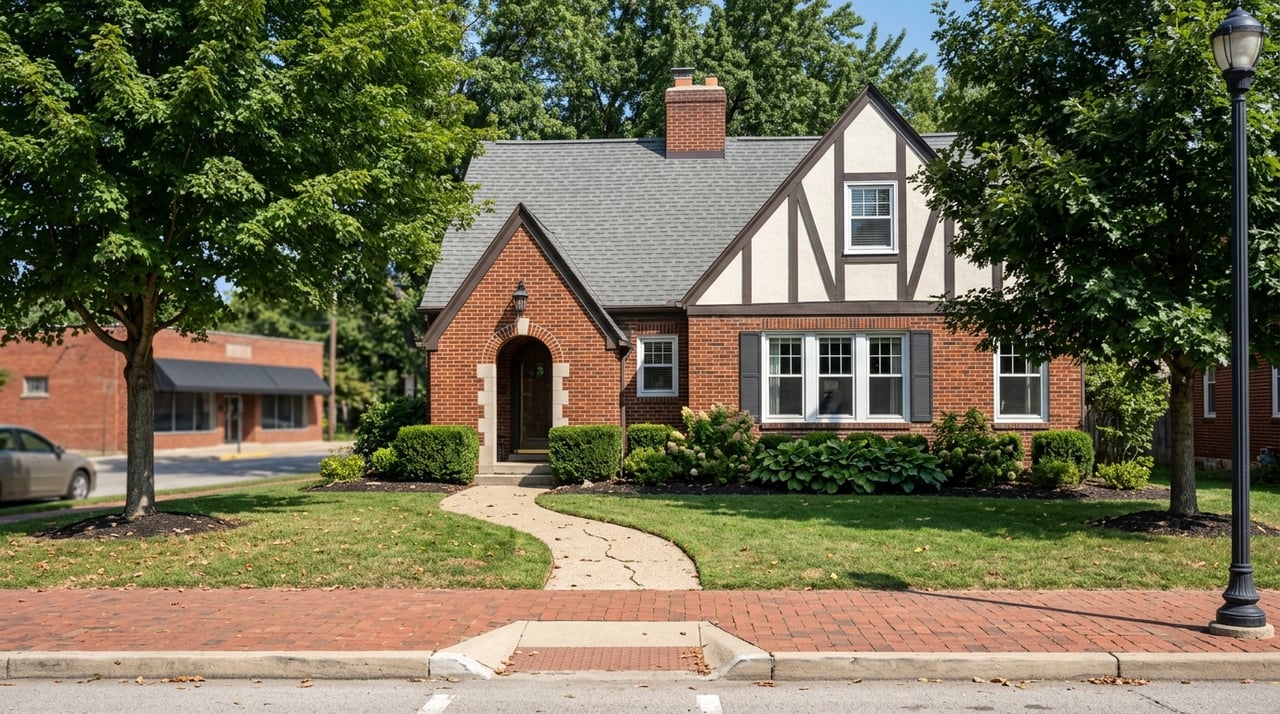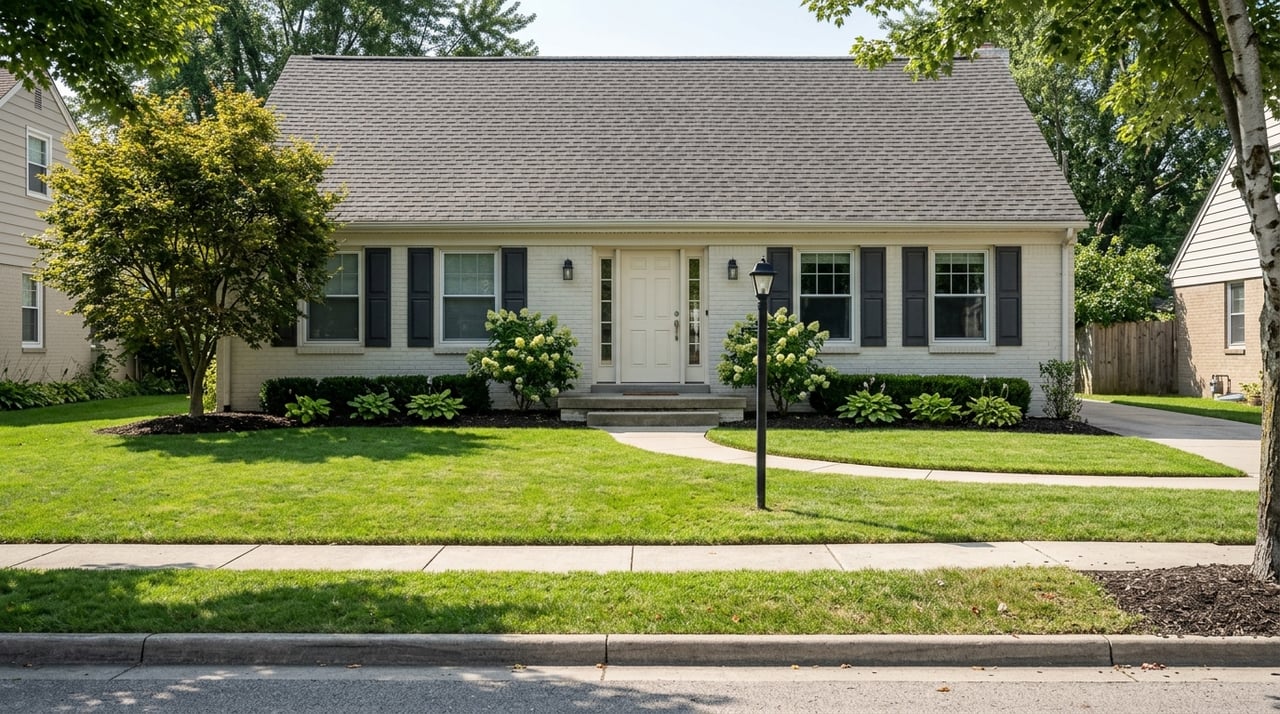
If you are shopping in Farmington Hills, the words "HOA community" can sound simple until you realize they can mean very different things. One neighborhood may be a traditional subdivision with private restrictions, while another may be a condominium or site condo with a master deed, bylaws, dues, and shared financial obligations. Knowing the difference can save you stress, help you budget more accurately, and make you a more confident buyer. Let’s dive in.
Why the HOA label is not enough
In Farmington Hills, the first question is not just whether a home has an HOA. The bigger question is what kind of community you are buying into.
Under Michigan guidance, a site condominium is still a condominium development, even if it looks like a neighborhood of detached single-family homes. That matters because condo communities are governed by condominium documents, while traditional subdivisions are governed differently under the Land Division Act.
This distinction affects how rules are written, how common areas are handled, and how owners share costs. In practical terms, two homes that look similar from the street may come with very different ownership structures and responsibilities.
Understand condo vs. subdivision rules
Farmington Hills buyers should think of private association rules and city rules as two separate layers. The city makes this clear in its planning guidance by telling residents to check with their subdivision association first for things like fences, sheds, and additions, even when the city is also handling permit review.
That means city approval does not automatically mean association approval. If you buy in a community with private restrictions, you may need to satisfy both sets of requirements before making changes.
For condo communities, the rules often live in the master deed and bylaws. These documents can define what you own, what is considered a common element, what changes need approval, and how shared costs are assigned.
What daily life may look like
Many buyers like HOA or condo living because it can create more predictable upkeep of shared areas. At the same time, it usually means giving up some flexibility in exchange for shared standards.
Michigan guidance notes that common elements may include things like lawns, private roads, recreation facilities, building exteriors, utility systems, hallways, and lobbies. The association may also hire a management company and assess co-owners for repairs to those common elements.
That is why you should not assume your monthly dues only cover cosmetic maintenance. In some Farmington Hills communities, dues may support road care, landscaping, exterior upkeep, or other shared expenses tied to the project documents.
What bylaws can affect
The bylaws and master deed are central to how a condo-style community operates. They may set approval rules for certain changes, explain occupancy or rental terms, and outline how the association makes decisions.
The master deed also assigns each unit a percentage of ownership. According to Michigan guidance, that percentage can affect monthly maintenance obligations, repair assessments, and sometimes voting power.
Before you buy, read these documents carefully and look for the everyday issues that matter most to you. If you hope to change the exterior, rent the property later, or simply want clear expectations, this is where many of those answers will be found.
Budget beyond the mortgage
One of the biggest mistakes buyers make is focusing too heavily on the sales price and mortgage payment. In an HOA or condo community, your real monthly cost may also include taxes, insurance, and association dues.
Consumer budgeting guidance notes that HOA or condo fees are usually paid separately from the mortgage payment. That means your housing budget should reflect the full monthly carrying cost, not just principal and interest.
This matters in Farmington Hills because a home with a lower list price may still carry higher ongoing costs if dues are significant. A clear monthly budget helps you compare homes more accurately and avoid surprises after closing.
Why reserves and assessments matter
Association finances deserve close attention. Under Michigan’s Condominium Act, an association must maintain a reserve fund for major repairs and replacement of common elements, and current state guidance says that reserve fund must be at least 10% of the association’s current annual budget on a noncumulative basis.
That sounds reassuring, but it does not eliminate the possibility of extra charges. Michigan guidance also warns that if major repairs require more money, the association may assess each owner.
Those assessments are real obligations, not optional add-ons. Monthly fees and assessments become a lien on the condominium unit, and owners are not excused from paying simply because they do not use the common elements.
Review the association’s financial health
A healthy-looking entrance or neat landscaping does not tell you everything you need to know. You also want to understand whether the association is collecting enough money, maintaining reserves, and handling repairs in a stable way.
Michigan guidance says associations must provide each owner with a financial statement once a year. It also states that books, records, contracts, and financial statements must be available for co-owner inspection at convenient times.
For associations with annual revenues above $20,000, the books and financial statements must be independently audited or reviewed by a CPA each year unless the owners vote to opt out. As a buyer, this gives you useful context when reviewing the community’s financial position.
Farmington Hills service details to confirm
In Farmington Hills, a few local service details are worth checking before you buy. The city’s curbside trash, recycling, and yard-waste program is available to all single-family homes and to certain condominiums that meet city criteria and choose to participate.
That means service may vary from one community to another. You should confirm whether trash, recycling, and yard waste are provided by the city, included through the association, billed separately, or handled by a private service.
The city also notes that the recycling and yard-waste component is billed annually on the winter property tax statement. Even small cost details like this can help you build a more accurate ownership budget.
What to review before closing
If you are buying in an existing association, ask for the key governing and financial documents as early as possible. The most useful records usually include the master deed, all amendments, the bylaws, the current budget, annual financial statements, and records that show how repairs and operating costs are handled.
Michigan guidance says current copies of the master deed, amendments, and other condo documents must be available to co-owners, prospective purchasers, and prospective mortgagees at reasonable hours or convenient times. That makes document review a standard part of buyer due diligence, not an unusual request.
If the home is in a newer condo development, the developer has its own disclosure obligations. For new condominium purchases, the developer must provide the recorded master deed, purchase agreement, escrow agreement, the Condominium Buyer’s Handbook, and a disclosure statement with items such as the association budget and certain development details.
New construction buyers get a short review window
If you are purchasing a new condo project in Michigan, timing matters. After receiving all required developer documents, a purchaser may withdraw from a signed condominium purchase agreement without cause or penalty within nine business days, as long as the property has not yet been conveyed.
That short window makes it especially important to review documents right away. Verbal promises are not enough, and Michigan guidance advises buyers to have the documents reviewed professionally.
If the development is still new, governance may also still be shifting. Michigan guidance notes that the developer initially appoints the board of directors until the first annual meeting, so early decision-making may still be transitioning from developer control to owner control.
Questions to ask before you buy
When you tour an HOA or condo community in Farmington Hills, bring a focused list of questions. A few smart questions can reveal whether the home fits your budget, expectations, and long-term plans.
Ask about:
- What the monthly dues cover
- Whether the association has a healthy reserve fund
- Whether any special assessments are planned
- What exterior changes require approval
- Whether the property is in a subdivision association or a condominium association
- Whether the roads are private
- Whether city trash, recycling, and yard-waste service applies
- How disputes are handled under the bylaws
These questions help you move beyond the marketing language and understand how the community really operates.
Why this matters in Farmington Hills
Farmington Hills has an active mix of subdivision and condominium associations, so HOA-style housing is a normal part of the local market. That makes it even more important to avoid broad assumptions.
The best approach is simple: identify the ownership structure, review the documents, study the finances, and understand where city rules stop and association rules begin. When you do that, you are much more likely to choose a home that fits both your lifestyle and your budget.
If you want help comparing condo, site condo, and subdivision options in Farmington Hills, talk with Charles Camilleri. You deserve practical guidance, clear answers, and local support that makes the process feel a lot less overwhelming.
FAQs
What should you ask before buying in a Farmington Hills HOA community?
- Ask what the dues cover, whether the reserve fund is healthy, whether any extra assessments are planned, what changes need approval, whether the community is a subdivision or condominium, whether roads are private, whether city trash service applies, and how disputes are handled.
What is the difference between a site condo and a subdivision in Farmington Hills?
- In Michigan, a site condo is still a condominium development, even if the homes are detached, while a traditional subdivision is governed differently under the Land Division Act.
Do Farmington Hills HOA rules replace city rules?
- No. Association rules and city rules are separate layers, so you may need to comply with both private restrictions and city permitting requirements.
Can a Farmington Hills condo association charge extra assessments?
- Yes. Michigan guidance says associations may assess owners for major repairs to common elements when more funding is needed.
Are condo dues in Farmington Hills optional if you do not use the amenities?
- No. Michigan guidance states that monthly fees and assessments are a lien on the unit, and owners are not exempt because they do not use the common elements.
Does every Farmington Hills condominium get city trash service?
- No. The city says certain condominiums may qualify and choose to receive service, so buyers should verify how trash, recycling, and yard waste are handled in that specific community.