If you have ever driven through Bloomfield Hills and thought, “Why do these homes feel so distinct from one another, yet still so connected to the landscape?” you are noticing one of the city’s defining traits. In Bloomfield Hills, architecture is not just about the house itself. It is also about wooded lots, rolling terrain, long driveways, and how each home fits into its setting. This guide will help you read the most common architectural styles in Bloomfield Hills, understand what visual clues to look for, and see what those choices may mean for layout, upkeep, and future updates. Let’s dive in.
Why Bloomfield Hills Feels Different
Bloomfield Hills is widely shaped by a landscape-first identity. City materials describe a community centered on quiet, rural residential properties, wooded lots, privacy, and stately homes. Planning priorities also emphasize protecting trees and woodlands and preserving the city’s unique visual character.
That matters when you are looking at homes here. In many places, you can judge a house mostly by its front elevation. In Bloomfield Hills, you also need to read the lot, the tree cover, the setback from the road, and how the home approaches the street.
The city also has a strong architectural anchor in Cranbrook. Bloomfield Hills identifies Cranbrook as a 315-acre National Historic Landmark campus, and the area’s distinctive architecture is part of what gives the city its identity. That influence helps explain why style and setting feel so closely linked here.
Traditional Estate Styles
Many of Bloomfield Hills’ most recognizable homes come from traditional estate architecture. The styles you are most likely to notice include Arts and Crafts, Tudor Revival, and Colonial Revival. These homes often feel established, detailed, and carefully composed.
Tudor Revival Clues
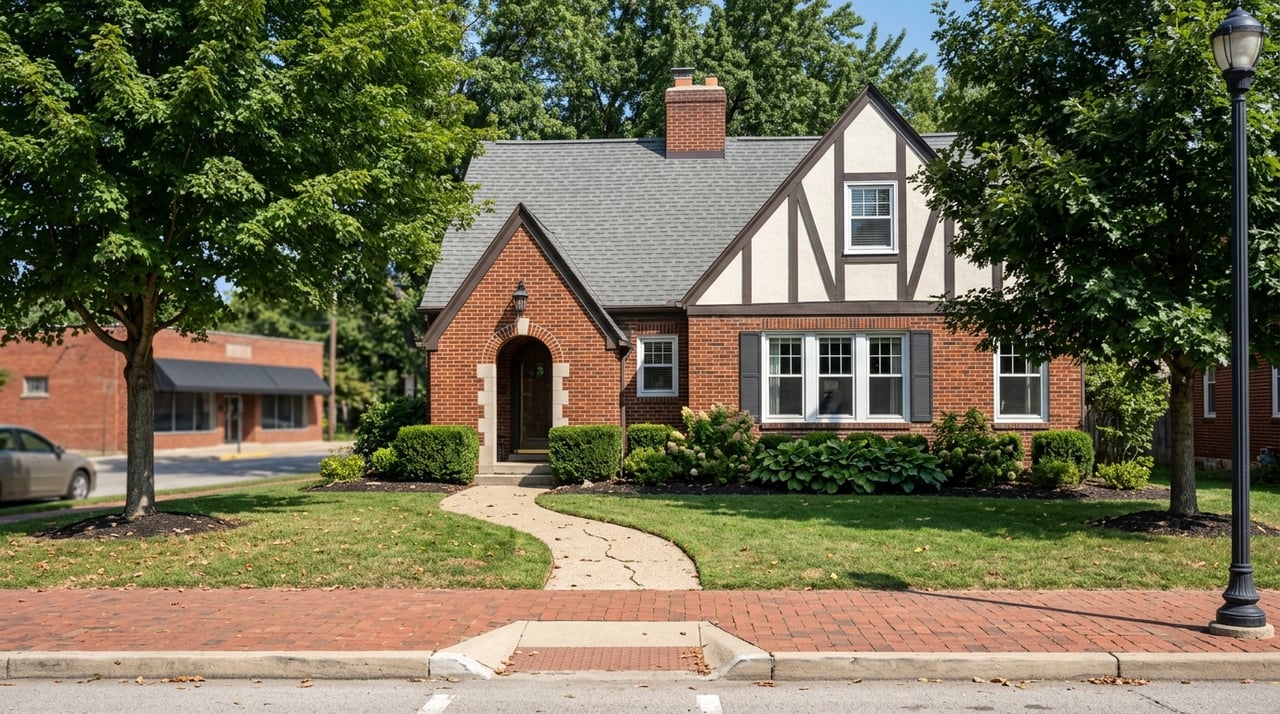
Tudor Revival is one of the easiest styles to spot once you know what to look for. These homes often have steep roofs, cross-gables, asymmetrical shapes, and a strong sense of texture from mixed materials.
Common Tudor Revival features include:
- Steep or cross-gabled roofs
- Decorative half-timbering
- Brick or stone exteriors
- Tall, narrow casement windows
- Leaded glass details
- Recessed or arched entries
In Bloomfield Hills, Tudor Revival works especially well with mature trees and larger lots. The style often feels tucked into the landscape rather than exposed to the street.
Colonial Revival Clues
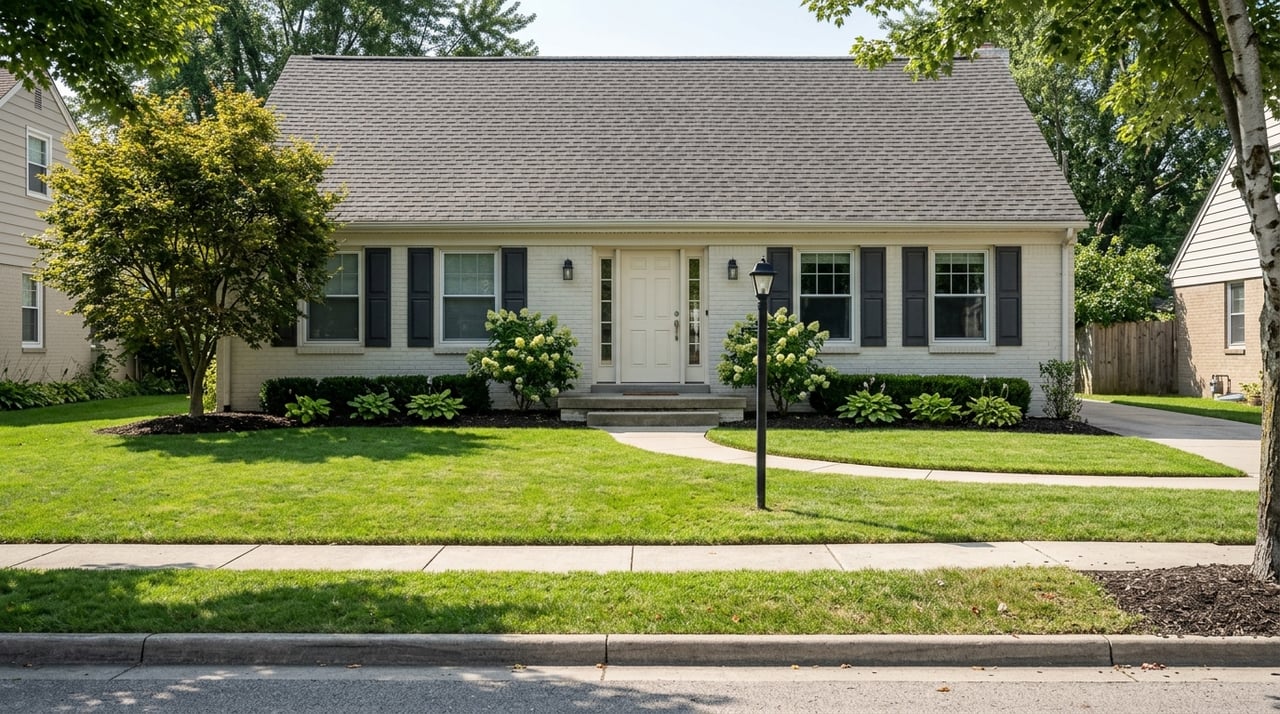
Colonial Revival homes usually read as more formal and balanced. Where Tudor homes feel picturesque and irregular, Colonial Revival homes often feel symmetrical and orderly.
Look for features such as:
- Symmetrical front facades
- Gabled or hipped roofs
- Centered entries
- Columns or pilasters
- Fanlights or sidelights
- Palladian windows
- White trim with brick or clapboard walls
If a home gives you a sense of structure and proportion first, it may lean Colonial Revival. These houses often have a more traditional room layout as well.
Arts and Crafts Influence
Arts and Crafts architecture is an important part of the Bloomfield Hills story, especially through Cranbrook House. Cranbrook describes it as an Arts and Crafts manor home and also as a Tudor-revival home, which shows how styles can overlap.
What stands out with Arts and Crafts design is the idea of a coordinated whole. Materials, craftsmanship, interiors, and decorative details often work together. In practical terms, that can mean heavy wood detailing, handcrafted elements, and a strong feeling that the house was designed as a complete environment, not just a shell.
Midcentury and Modern Homes
Bloomfield Hills also has a notable modernist side. Cranbrook and the architects connected to it gave the area a visible design legacy that still stands out today.
If traditional estates speak through ornament and historic references, modernist homes tend to speak through line, light, and site connection. These houses often feel calmer, more open, and more tied to the topography around them.
How Modernism Shows Up
You can often recognize a midcentury or modernist home by its horizontal emphasis. These homes tend to sit lower to the ground and use glass more generously than older revival styles.
Key visual clues include:
- Low horizontal rooflines
- Broad areas of glass
- Open interior planning
- Built-in features
- Natural materials and subdued colors
- Strong connection to the lot and terrain
In Bloomfield Hills, these homes often feel like they belong to the land rather than standing apart from it. That quality fits the city’s wooded, rolling setting very well.
Usonian and Site-Driven Design
Nearby Bloomfield-area homes tied to Frank Lloyd Wright help illustrate this modern branch. The Affleck House is described as exemplary Usonian design, using a one-story structure, open living spaces, and large windows. The Smith House is described as having an L-shaped plan and horizontal, cantilevered roof planes.
For you as a buyer or homeowner, those details matter because they signal a different way of living. A home like this may prioritize flow, natural light, built-ins, and shared living spaces more than formal separation between rooms.
Newer Luxury Homes
Not every home in Bloomfield Hills fits neatly into a historic category. Many newer luxury homes are better understood through their design logic rather than a strict style label.
Based on the city’s planning priorities, newer homes often appear custom, transitional, or neo-traditional. They may borrow the scale and presence of older estate homes while simplifying ornament and updating the interior layout.
What to Look For in Newer Builds
These homes often combine traditional exterior cues with more current living preferences. They usually feel open and functional inside while still reflecting the area’s established character.
Common traits include:
- Larger windows
- Open kitchens and family spaces
- Cleaner exterior lines
- Lighter ornamentation
- Masonry or materials that echo older estate homes
- Design choices that work with wooded surroundings
In other words, newer homes in Bloomfield Hills often aim to feel compatible with the city’s long-term character, even when the floor plan is more modern.
How to Read a House at a Glance
If you want a quick way to make sense of a Bloomfield Hills home, focus on a few visible clues first. You do not need to be an architect to get a useful first impression.
Start With the Roofline
The roof often gives away the style fastest. Steep gables and cross-gables usually point toward Tudor Revival. A flatter, longer, more horizontal roofline often suggests modernist or Usonian influence. A balanced gable or hipped roof may lean Colonial Revival.
Then Read the Windows
Windows tell you a lot about architectural intent. Tall, narrow, leaded, or grouped casement windows often suggest Tudor Revival. Symmetrical double-hung windows with fanlights or sidelights often suggest Colonial Revival. Expansive glass walls or broad window bands usually point toward modern design.
Check the Materials
Materials can confirm what the roofline and windows already suggest. Brick, stone, half-timbering, and heavy wood details often support traditional revival styles. Carefully integrated brick and wood with handcrafted detailing can signal Arts and Crafts influence. Large glass planes and more streamlined materials can signal modernism.
Notice the Lot Relationship
This is one of the most important Bloomfield Hills clues. Homes that sit back from the road, wind through mature trees, or use long driveways and layered landscaping reflect the city’s wooded residential character.
In Bloomfield Hills, the landscape is part of the architecture. A house is rarely meant to be read without its site.
What Style Can Tell You About Living There
Architecture is not only about appearance. Style often hints at how a home lives day to day and what you may need to think about long term.
Traditional Homes and Upkeep
Traditional estate homes often come with more segmented floor plans and more specialized materials. Steep rooflines, chimneys, masonry joints, leaded windows, decorative entries, and original millwork can all add beauty and character.
They can also require more focused maintenance. If you are considering one of these homes, it helps to pay attention to the condition of the roof, masonry, trim, and original details.
Modern Homes and Preservation
Midcentury and modernist homes often offer open interiors and strong natural light. That can be a major draw if you prefer flexible living space and a close connection to the outdoors.
At the same time, these homes may place more maintenance attention on roofing, glass, and custom built-in elements. Renovation choices usually work best when they respect the home’s original lines, room relationships, and site integration.
Newer Homes and Flexibility
Newer luxury homes may offer the most flexibility if you want a more current layout. Open kitchens, family gathering spaces, and larger windows can make these homes easier to adapt to today’s routines.
Still, exterior changes, additions, site work, and tree work should be considered carefully in Bloomfield Hills. Because the city places such importance on wooded character and overall setting, the property should be viewed as a whole rather than as a house alone.
Why This Matters for Buyers and Sellers
If you are buying, learning to read architectural style can help you narrow in on homes that fit your priorities. You may realize you prefer the formality of Colonial Revival, the texture of Tudor Revival, the craftsmanship of Arts and Crafts, or the openness of a modernist plan.
If you are selling, understanding your home’s style can help you present it more clearly. Buyers respond better when a home’s design story is easy to see, whether that means highlighting original windows, rooflines, masonry, built-ins, or the way the house sits within its lot.
In a market like Bloomfield Hills, that story matters. Style, setting, and long-term character are all part of how a property is understood.
If you want help understanding how a home’s architecture may affect market appeal, pricing, or your search, Charles Camilleri can help you look at the details with a practical, local perspective.
FAQs
What architectural styles are most common in Bloomfield Hills homes?
- The styles most often associated with Bloomfield Hills include Tudor Revival, Colonial Revival, Arts and Crafts-influenced estate homes, midcentury modern, and newer custom transitional homes.
How can you identify a Tudor Revival house in Bloomfield Hills?
- You can usually spot a Tudor Revival house by its steep gables, half-timbering, brick or stone exterior, tall narrow windows, and recessed or arched entry.
What makes modern homes in Bloomfield Hills different from traditional estates?
- Modern homes usually emphasize low horizontal lines, larger areas of glass, open interiors, built-ins, and a stronger visual connection to the surrounding landscape.
Why does lot placement matter when reading Bloomfield Hills architecture?
- Lot placement matters because Bloomfield Hills is defined by wooded residential settings, so setbacks, mature trees, driveways, and the relationship between the home and the land are key parts of the property’s design.
What can architectural style tell you about a Bloomfield Hills home’s layout?
- Traditional styles often suggest more separated rooms and formal planning, while midcentury and Usonian-inspired homes often suggest more open living spaces and stronger indoor-outdoor flow.
Should renovations in Bloomfield Hills consider the home’s original style?
- Yes, because rooflines, windows, materials, built-ins, and the home’s relationship to the lot are often central to its character and can influence both function and overall appeal.