Thinking about a move to Farmington? You’re not alone. This small-city gem in Oakland County offers a friendly downtown, tree-lined streets, and easy access to bigger job hubs. If you want a place that feels connected without feeling crowded, you’ll find a lot to like here.
In this guide, you’ll learn what daily life looks like in Farmington, from housing options to parks, schools, and commuting. You’ll also get practical tips for renters and first-time buyers. Let’s dive in.
Farmington at a glance
Farmington is an incorporated city in Oakland County within the Detroit metro area. It sits next to, and is distinct from, the larger City of Farmington Hills. You get a compact, walkable downtown at the center, with residential neighborhoods branching out in every direction. Many streets are quiet and residential, yet you’re close to shopping, services, and regional roads.
What draws many people is the balance. You can enjoy a neighborhood feel with small businesses and civic spaces, while staying connected to a much larger metro area for work, entertainment, and travel.
Housing: what you’ll find
You’ll see a wide mix of homes as you explore Farmington. The city’s housing stock reflects its long history and steady growth.
- Early-to-mid 20th-century bungalows and colonials on smaller lots
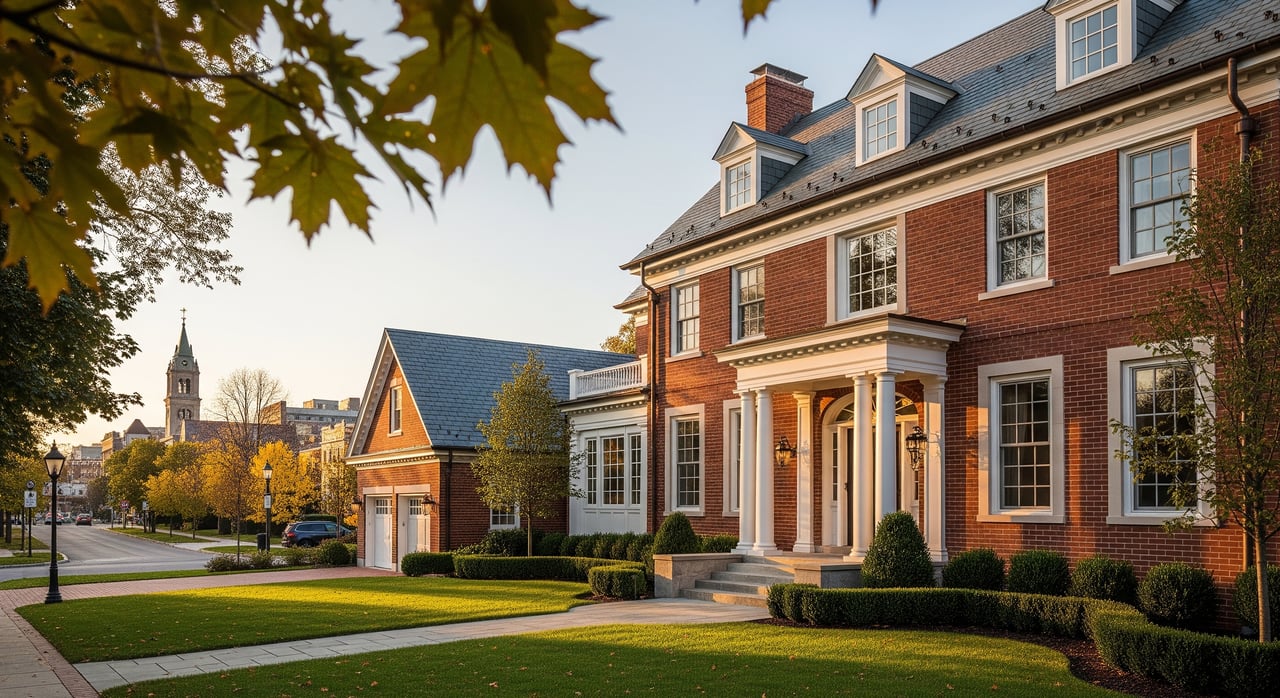
- Brick-faced and Tudor-influenced single-family homes in established neighborhoods
- Townhouses and condominiums near main corridors and close to downtown
- Apartment communities with studio, 1-bedroom, and 2-bedroom options
If you’re renting, expect choices that range from apartments near downtown to single-family rentals in nearby neighborhoods. If you’re an early-stage buyer, you’ll often look at smaller single-family homes, townhomes, or condos for value and easier maintenance. In a mature suburb like Farmington, you’ll also see modest renovations and newer infill sprinkled between original homes.
Tip: Because older homes are common, build a budget for inspection items, routine maintenance, and potential updates.
Neighborhood feel and where to look
While Farmington is compact, different areas have distinct identities.
- Downtown-adjacent streets: Walkable blocks with bungalows and smaller homes close to shops, cafes, and events.
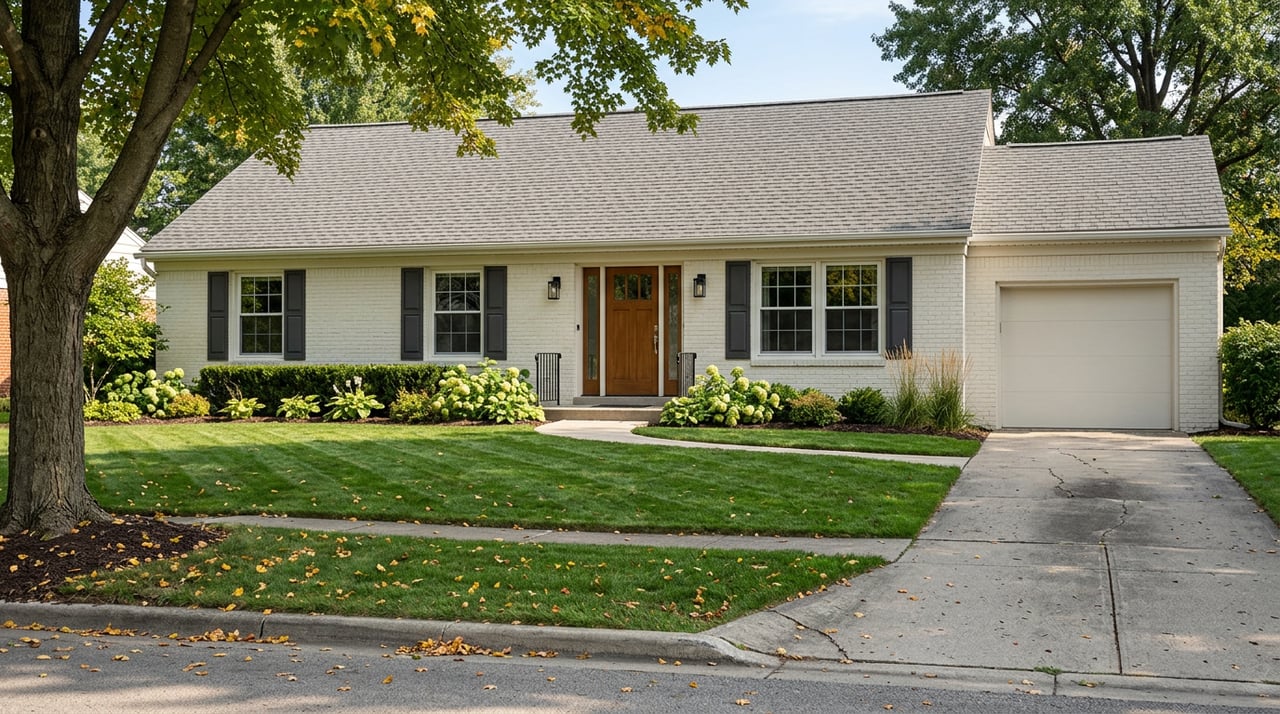
- Mid-century subdivisions: Quiet residential streets with single-story homes and colonials, typically with driveways and yards.
- Condo clusters near main roads: Attached homes or low-rise buildings that offer lower maintenance and quick access to commuting routes.
If you’re comparing Farmington to Farmington Hills, think scale and setting. Farmington is smaller and more walkable in its core, while Farmington Hills covers a larger area with more spread-out residential and commercial zones. Each is its own city with its own services.
Downtown and local life
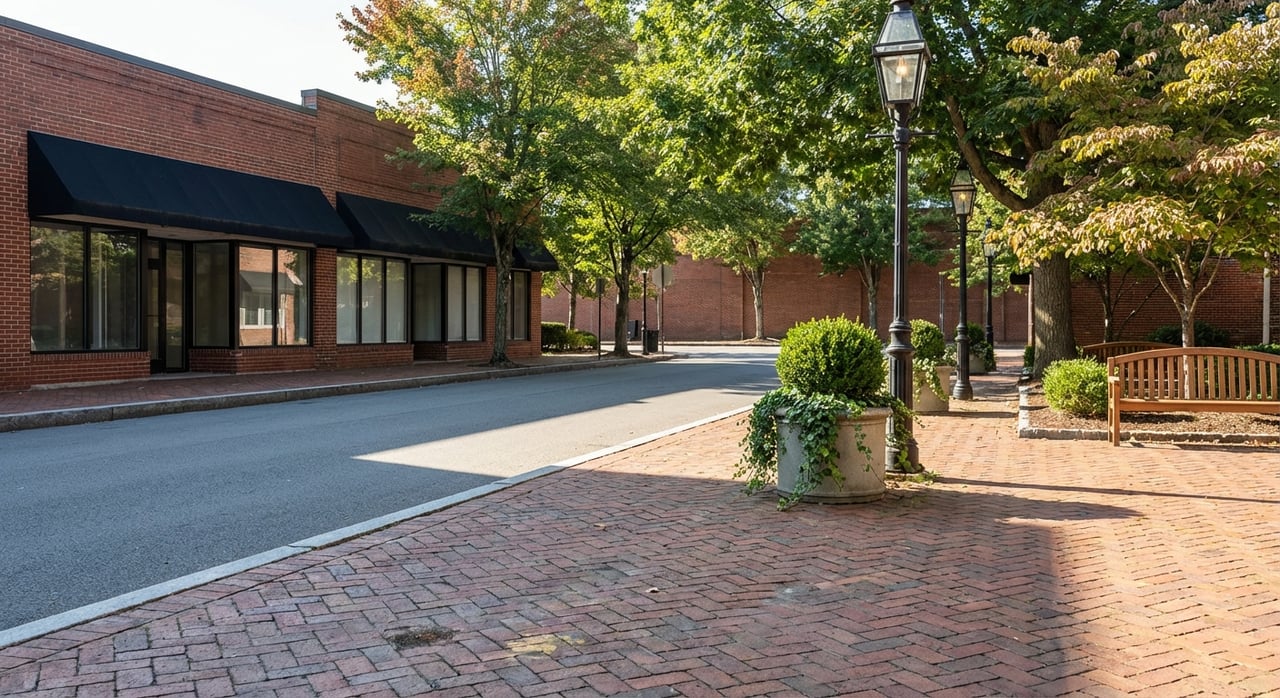
Farmington’s downtown is the city’s social heart. You can grab coffee, stop by a bookshop, enjoy a casual dinner, and run errands within a few blocks. Small businesses and local services anchor the area, and the city hosts community-oriented events throughout the year.
Civic anchors add to the daily rhythm. You’ll find a public library, municipal buildings, and community programs that create a steady calendar of activities. Seasonal farmers markets, holiday gatherings, and local festivals are common, giving residents easy ways to connect.
A simple day here could look like this:
- Morning: Coffee and a pastry downtown, then a stroll to a neighborhood park.
- Midday: Lunch at a local restaurant and a quick stop at the library.
- Afternoon: A community event or a casual walk along a nearby trail.
- Evening: Meet friends for dinner or a family-friendly activity at a city venue.
Parks, trails, and getting outdoors
Parks are woven into daily life in Farmington. Neighborhood playgrounds, open lawns, and pocket parks are within short drives or walks from most areas. Larger community parks offer picnic spots, sports fields, and space to unwind.
You’ll also find connections to regional greenways and county parks within a reasonable drive. These regional assets add bike and walking options beyond neighborhood loops and give you weekend outings without a long trip.
When you tour, bring a pair of walking shoes and visit a few parks in the same day. Seeing how people use the spaces on a Saturday morning tells you a lot about the local pace and vibe.
Schools and learning options
Farmington is served by Farmington Public Schools, a district that spans parts of multiple municipalities. You can explore elementary, middle, and high schools across the area, along with private and charter options and early-childhood programs.
Because school boundaries and programs can change, check the district’s official maps and the Michigan Department of Education report cards for the latest information. If schools are part of your decision, make a short list of neighborhoods you like, then confirm which schools serve those addresses.
Use neutral, up-to-date sources for details like enrollment, graduation rates, and program offerings. It’s also helpful to visit schools and talk to administrators for the most current program insights.
Getting around and commuting
Most residents in suburban Detroit commute by car. Farmington offers straightforward access to major roads for travel across Oakland County and into Detroit. During peak hours, plan ahead and consider alternate routes to avoid backups near key interchanges.
Regional bus service through SMART operates in the area. Routes and schedules can change, so review current timetables and park-and-ride locations if you prefer transit. If you live near downtown, you’ll likely walk more for everyday errands. Citywide walkability varies by neighborhood.
Before you choose a home, sample your commute during a typical weekday at both morning and evening peaks. Test routes to your workplace and to daily needs like grocery stores and childcare.
Services, utilities, and practicalities
Farmington provides municipal public safety services. For non-emergency contacts and community programs, check the city’s official pages. You’ll also find information there about water and sewer, trash and recycling, and schedules for collection days.
Property taxes in Oakland County reflect assessed values and local millage rates that vary by city and school district. These taxes and any special assessments can meaningfully shape your monthly budget. If you’re buying, review the city and county tax pages and talk with your lender about estimated escrow and how assessments might change after a purchase.
For internet and utilities, availability can vary by block. Confirm providers and speeds for any address on your shortlist so your home office and streaming needs are covered from day one.
Renting vs. buying: how to choose
Both paths can work well in Farmington. Your choice comes down to timeline, budget, and how much flexibility you need.
- Renting gives you flexibility while you learn the area. Expect standard lease lengths, a security deposit, and clear terms for utilities.
- Buying can offer stability and potential equity growth. Many first-time buyers in Farmington look at smaller single-family homes, townhomes, or condos.
If you’re buying, consider:
- Down payment options: Explore conventional, FHA, and state-supported programs that help first-time buyers with down payment and closing costs.
- Inspection and maintenance: Older homes have charm and character. They also need routine care. Budget for roofs, windows, and mechanicals.
- Monthly costs: Factor principal and interest, taxes and insurance, mortgage insurance if applicable, and utilities.
If you’re renting, consider:
- Commute and convenience: Try to live near your most frequent destinations.
- Lease flexibility: Ask about renewal terms and rent adjustments.
- Utilities and parking: Clarify what’s included in your monthly payment.
Timing your move
Real estate activity often picks up in spring and early summer, with calmer months late in the year. Inventory, days on market, and pricing shift through the seasons. Mortgage rates can also affect buyer demand. If you’re on a timetable, watch the local market for a few weeks and adjust your strategy based on new listings and comparable sales.
You don’t need to chase a perfect month. Instead, focus on clarity about your budget, must-haves, and nice-to-haves. That way you can move quickly when the right place appears.
How to tour Farmington like a local
- Start downtown: Grab coffee and walk a few blocks to get a feel for the scale and pace.
- Visit 2 to 3 parks: See how busy they are and what amenities they offer.
- Drive a sample commute: Test your morning and evening routes.
- Check services: Note grocery stores, pharmacies, gyms, and pet care.
- Walk a residential block: Listen for traffic, note lighting, and observe parking patterns.
Is Farmington a fit for you?
Choose Farmington if you want a small-city feel with a defined downtown, a range of housing options, and quick access to larger job centers. If you prefer big-city density or rural seclusion, you may want to look nearby to find the right match. The good news is you can explore both worlds within a short drive.
If you’re deciding between Farmington and Farmington Hills, weigh what matters most. For some, a walkable core and cozy neighborhoods seal the deal. For others, a larger footprint and different housing stock in Farmington Hills could be the better fit. Touring both is the best way to know.
Ready to map out a plan, compare neighborhoods, and run the numbers with a friendly pro by your side? Reach out to Charles Camilleri for practical guidance that puts your goals first.
FAQs
Is Farmington, MI different from Farmington Hills?
- Yes. They are separate cities with their own services. Farmington is smaller with a compact downtown, while Farmington Hills covers a larger area and has a different housing mix.
What housing types are common in Farmington?
- You’ll find older bungalows and colonials, brick-faced homes, townhomes and condos, and apartment options closer to main corridors and downtown.
How walkable is Farmington for daily errands?
- Downtown is the most walkable area for coffee, dining, and quick errands. Walkability varies by neighborhood, so test routes from any home you’re considering.
What schools serve Farmington addresses?
- Farmington Public Schools serves the area, with boundaries that can vary by address. Always check the district’s current maps and the Michigan Department of Education resources.
What is commuting like from Farmington?
- Most people drive and use major regional roads. SMART provides bus service on select routes. Try your commute during peak hours before you sign a lease or write an offer.
How should I plan for property taxes in Farmington?
- Oakland County assesses properties, and local millage rates vary by city and school district. Review estimates with your lender and verify details on county and city tax pages.