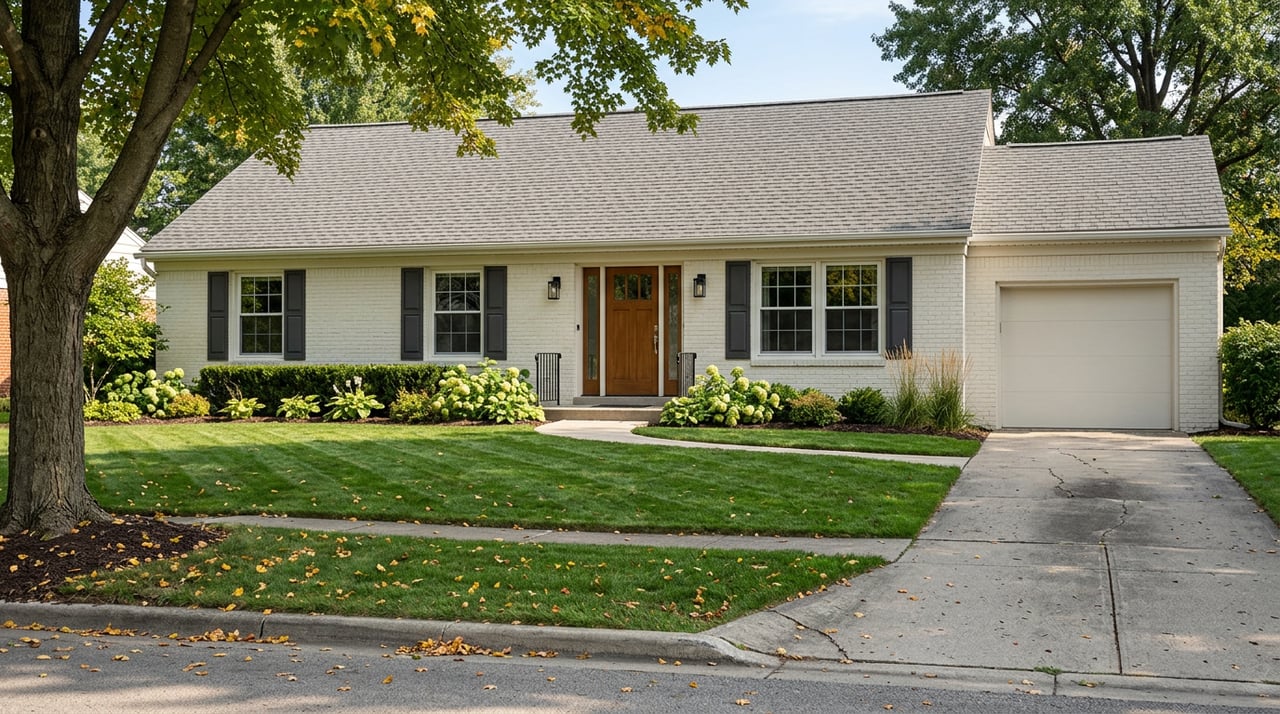
Trying to choose between Farmington and Farmington Hills for your first home? You’re not alone. Both offer solid value, quick commutes, and friendly neighborhoods, but they feel different on price, home types, and ongoing costs. In this guide, you’ll quickly see how they compare on entry-level options, taxes and fees, schools, and transit so you can match the city to your budget and lifestyle. Let’s dive in.
Quick city snapshot
Farmington Hills is the larger suburb in Oakland County with about 84,000 residents, while the City of Farmington is a compact, walkable community next door with roughly 11,500 residents. You’ll find similar average commute times in both, typically in the mid‑20‑minute range, which works well for Metro Detroit job hubs. For context on population and travel times, review the latest summaries for Farmington Hills on QuickFacts and Farmington city on QuickFacts.
- Farmington Hills: larger footprint, many single‑family neighborhoods plus townhome and condo clusters.
- Farmington: smaller, more walkable core with condos, townhomes, and small‑lot single‑family near downtown.
- Commutes: mean travel time about 24–25 minutes in Farmington Hills and about 23 minutes in Farmington, on average.
Home types and price bands
If you are shopping on a starter budget, entry product types and price patterns matter. Recent market trackers show Farmington Hills generally sells at a higher median price than Farmington city overall. As of early 2026, Farmington Hills medians hovered near the upper $300s, while Farmington city trended somewhat lower. Neighborhoods and property types vary, so think in terms of ranges and confirm live comps when you tour.
Here’s how first‑time buyers often compare the two:
Farmington Hills
- Typical entry options: more single‑family choices, including 3‑bed ranches and colonials, plus townhomes and condos.
- Expected bands: many entry‑to‑mid single‑family homes run roughly in the $300K–$450K range, with higher‑end pockets above that.
- Market feel: larger inventory across many subdivisions; competitive but with more variety for yard and garage needs.
Farmington (city)
- Typical entry options: downtown condos, townhomes, and small‑lot single‑family homes.
- Expected bands: attached homes often sit in lower entry price bands compared with many Farmington Hills single‑family options.
- Market feel: smaller, walkable core means fewer listings and a tighter, sometimes faster‑moving entry market.
Tip: Product mix matters for your must‑haves. If a single‑family yard is non‑negotiable, Farmington Hills typically offers more choices. If you want a lower entry price with a downtown vibe, Farmington’s condos and townhomes can fit well.
Property taxes and HOA costs
Understanding ongoing costs helps keep your monthly payment and annual budget on track.
How Michigan taxes work
In Michigan, property taxes are based on Taxable Value. When a home sells, the Taxable Value usually resets to about 50 percent of market value (the State Equalized Value). The tax bill is the combined millage rate multiplied by the Taxable Value. To learn the terms, the state provides a helpful glossary of Michigan tax terms.
City millages to know
Farmington (city): The proposed FY 2025–26 city portion is 18.1618 mills. On a $100,000 Taxable Value, that city portion alone is about $1,816 per year. Remember to add county, school, library, and any special districts for your final bill. Review the city’s public notice for details in the Farmington budget millage summary.
Farmington Hills: The city levies regular and voter‑approved components. Recent renewals include a 2.0‑mill road millage and a public safety millage around 1.4764 mills. As with Farmington, you will add city + county + school + library + any special assessments for your parcel. For context, see the city’s road millage renewal information.
Because millage totals are parcel‑specific, you should request an estimate for the exact address you are considering. Your lender will also use this to refine your monthly payment.
HOA and condo fees
Many Farmington condos and Farmington Hills townhome communities include monthly HOA fees. These can cover exterior maintenance, insurance on the structure, landscaping, and amenities. Fees vary by development. Always request the HOA budget, reserve study, and recent meeting minutes during due diligence so you understand any pending projects or special assessments.
Schools and boundaries
Most homes in Farmington and a large portion of Farmington Hills are served by Farmington Public Schools (FPS), which operates Farmington High, North Farmington High, and additional schools across the district. Boundaries can shift and some Farmington Hills neighborhoods fall into adjacent districts, so verify assignment by address every time.
- District resources: Review the latest Farmington Public Schools Annual Education Reports to compare proficiency, graduation data, and program notes.
- Third‑party context: School‑ranking sites often rate FPS high schools above state averages, though results vary by school and year. For a profile example, see North Farmington High on GreatSchools. Use these sites as a starting point and verify using FPS reports.
What this means for buyers:
- Farmington: You may find walkable homes near downtown with quick access to FPS schools and activities.
- Farmington Hills: You may gain more single‑family choices and a range of neighborhoods that feed into different FPS schools. Check each listing’s boundary confirmation.
Keep school fit and commute patterns in mind alongside your budget. The right address can balance all three.
Commute and transit
Both cities offer modest average commute times suitable for Metro Detroit job centers. Key regional routes include I‑696, M‑5, and I‑275, with arterial roads like 12 Mile, 11 Mile, Orchard Lake, and Farmington Road providing crosstown access.
- Average commute: See the latest mean travel times for Farmington Hills and Farmington.
- Public transit: SMART provides fixed‑route, park‑and‑ride, and on‑demand services in parts of Farmington and Farmington Hills. Explore system details and service types in the SMART overview. If transit matters to you, identify your nearest stop and confirm frequency for your target address.
Financing help for first-time buyers
If down payment or closing costs are your main hurdle, look into state and local programs you may be able to layer with your mortgage.
- MSHDA MI Home Loan and MI 10K DPA: These statewide options offer first‑time buyers competitive financing and down payment assistance through participating lenders. Some programs require homebuyer education. Learn more on the MSHDA MI Home Loan and MI 10K DPA page. MSHDA also launched a First‑Generation DPA pilot in 2025 that may help eligible buyers.
- Oakland County opportunity: The county partners at times with local lenders on grants, such as the Independent Bank Home Buyer Assistance Program, which has provided $5,000 grants to eligible first‑time buyers. Review current details on the Oakland County Treasurer’s program news. Local programs often have income limits and counseling requirements.
Pro tip: Ask your lender early about stacking options. Many buyers combine MSHDA assistance with local grants and lender credits to reduce cash to close.
Which city fits your budget?
Use this side‑by‑side to match your must‑haves with the right address.
Budget and price bands
- Farmington: Often a lower entry point for condos and townhomes. Small‑lot single‑family homes appear, but inventory is tight.
- Farmington Hills: Wider selection of single‑family homes, often in the $300K–$450K range for starter to mid‑range, with some higher‑end areas above that.
Lifestyle and layout
- Farmington: Walkable downtown vibe, shorter list of options at any time, and attached homes that can reduce yard work.
- Farmington Hills: Suburban variety with more yards, garages, and neighborhood choices.
Ongoing costs
- Farmington: City portion of millage is 18.1618 mills. Add county, school, library, and special districts for the full bill.
- Farmington Hills: Includes city, county, school, and library levies, plus voter‑approved components like the road and public safety millages. Totals vary by parcel.
Schools
- Both: Served largely by Farmington Public Schools. Verify boundaries by address and review the district’s AER reports.
Commute
- Both: Mean travel times around the mid‑20‑minute mark with access to I‑696, M‑5, and I‑275. SMART provides select routes and on‑demand services.
Smart steps before you write an offer
Use this checklist to avoid surprises and make a confident first purchase.
- Get pre‑approved with a lender who offers MSHDA programs if you may qualify.
- Ask your agent for a live snapshot of neighborhood comps, recent sales, and days on market for the exact micro‑area.
- Pull the parcel’s current tax bill and estimate your post‑sale taxes after uncapping. The Michigan tax glossary explains the key terms.
- Confirm school assignment by property address using FPS resources, including the Annual Education Reports.
- For condos and HOAs: request budget, reserve study, rules, and recent meeting minutes. Ask about any upcoming special assessments.
- For commute planning: map your routes and check SMART service relevance with the SMART overview.
Bottom line
If you want the widest selection of starter single‑family homes, Farmington Hills likely gives you more choices across more neighborhoods. If you prefer a walkable feel and are open to condos or townhomes at a lower entry price, Farmington can be a great fit. Both offer reasonable commutes and access to Farmington Public Schools, so the right match comes down to your budget, home type, and lifestyle priorities.
Have questions or want to compare live listings and monthly payments side by side? Connect with Charles Camilleri for a friendly strategy session tailored to your budget and goals. Talk to a local agent today to get premium service at a fair price.
FAQs
What are the key price differences between Farmington and Farmington Hills?
- Market trackers show Farmington Hills with a higher overall median sale price, while Farmington often offers lower entry points in condos and townhomes; verify current comps for your target neighborhood.
How do property taxes compare between the two cities?
- Farmington’s proposed city‑only millage is 18.1618 mills, while Farmington Hills includes city, county, school, library, and voter‑approved items like road and public safety; totals vary by parcel, so estimate for each address.
Which schools serve Farmington and Farmington Hills homes?
- Many addresses feed into Farmington Public Schools; confirm boundaries by property address and review the district’s Annual Education Reports for the latest data.
What are typical commute times from each city?
- Average commute times are in the mid‑20‑minute range for both cities, with access to I‑696, M‑5, and I‑275; check your routes during your actual travel hours.
Are there down payment programs for first‑time buyers in Oakland County?
- Yes, MSHDA’s MI Home Loan with MI 10K DPA and local options like the Oakland County grant program (when active) can help eligible buyers reduce cash to close; start with the MSHDA overview.