You love Bloomfield Hills for its classic architecture, tree‑lined streets, and quick access to Birmingham and Cranbrook. Now you are deciding between the ease of a condo and the privacy of an estate home. This guide walks you through real costs, maintenance, financing, taxes, and lifestyle so you can choose with confidence. You will leave with a clear checklist, realistic price expectations, and practical next steps. Let’s dive in.
Condos vs. estate homes at a glance
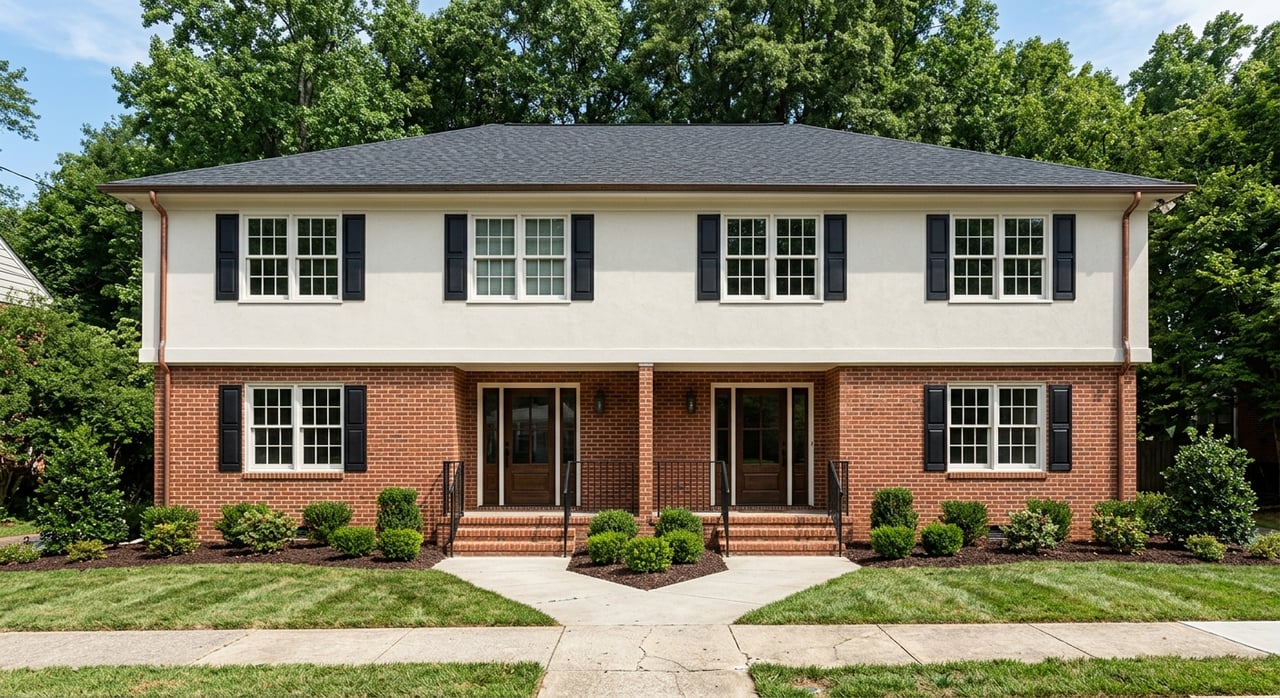
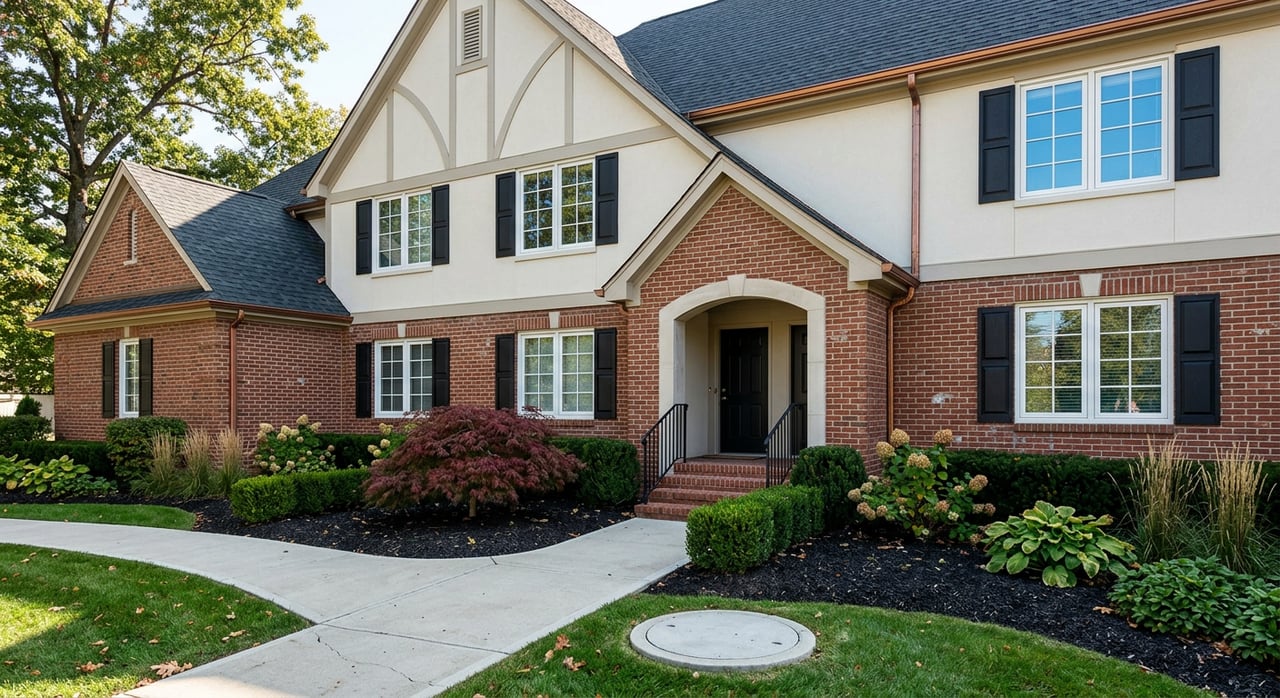
If you want lower maintenance and a convenient lock‑and‑leave lifestyle, a condo or townhome can be a smart fit. If you value land, privacy, and room to customize, an estate home delivers more space and control. In Bloomfield Hills you will find both options in the same market, often blocks apart.
Price ranges in Bloomfield Hills
- The typical home value sits in the $650k to $700k band. Zillow reports about $650,054 through February 2026. Redfin shows a $682,500 median sale price for February 2026. Methodologies differ, yet both confirm a mixed market that spans condos to multi‑million‑dollar estates.
- Condos and townhomes: many units list from about $125k to $500k, with older garden‑style communities often under $200k and newer or renovated townhome‑style options higher. HOA dues commonly range about $250 to $500 per month, with higher fees where amenities are larger.
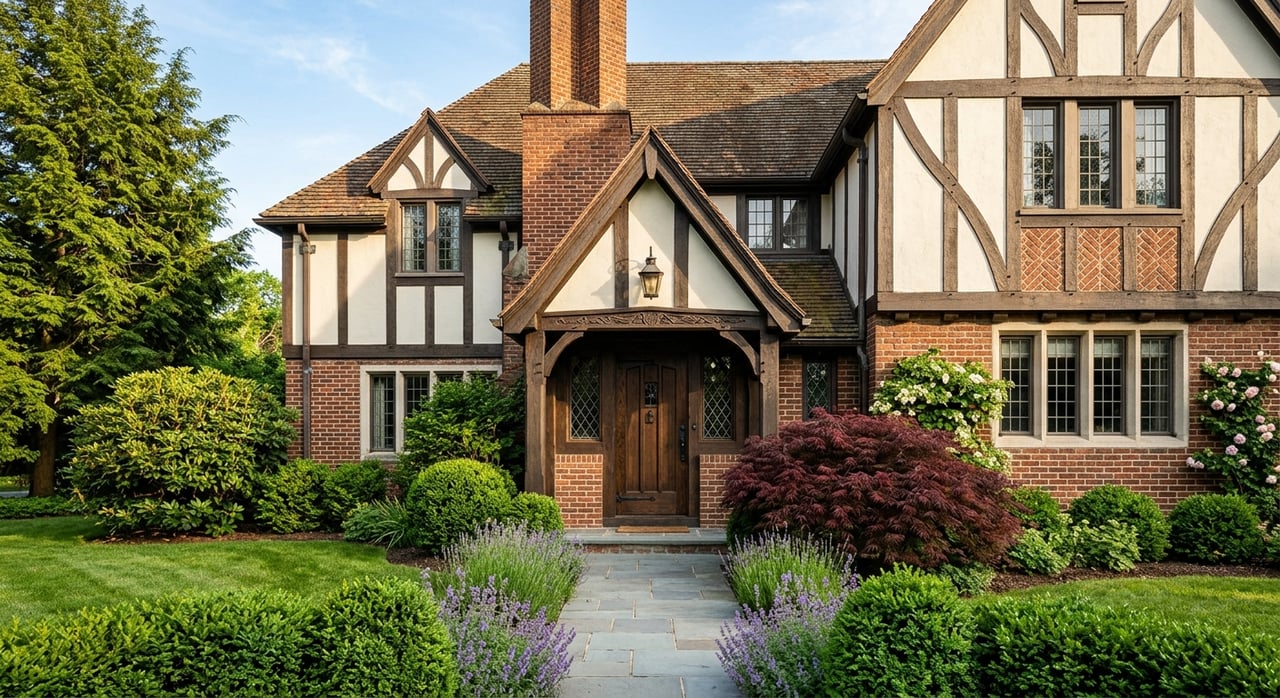
- Single‑family and estates: many properties sit from the mid to high six figures into the millions. A visible luxury tier begins around $1.5M and rises to several million for premier parcels with multiple acres. True estate lots often run 1 acre or more.
What condo HOAs usually cover
In Bloomfield Hills communities, association fees frequently include some mix of water, common‑area insurance, exterior maintenance, landscaping, pool or clubhouse access, trash, and snow removal. Each building is different, so verify the exact inclusions for the unit you are buying.
- Ask for the association’s insurance summary or declaration page and confirm whether the master policy is “bare‑walls,” “walls‑in,” or “all‑in.” The Michigan Condominium Act outlines how unit and common elements are defined and disclosed. Review the statute overview in the Michigan Condominium Act.
- Typical local dues: about $250 to $500 per month for older Bloomfield complexes. Newer buildings with more amenities can be higher. Always review current budgets and any scheduled increases before you waive contingencies.
Older vs newer condo options
- Older garden‑style condos: lower entry price, moderate HOA that usually covers exterior care and snow removal. Finishes may be dated, although many units are nicely updated.
- Newer or luxury townhomes: higher purchase price and fees, larger floor plans, attached garages, and modern amenities.
Estate‑home responsibilities
With a single‑family estate, you control the land and the structure. You also take on the full scope of care.
- Exterior upkeep: roof, siding, windows, gutters, driveway and walks.
- Mechanical systems: HVAC, water heater, and specialty systems such as generators.
- Property care: landscaping, tree work, irrigation, pest control, and snow removal.
- Amenities: pool, sport court, guest house, or outbuildings.
Ongoing costs are usually higher and more variable than a condo’s fixed monthly dues. If you are downsizing from a large estate, consider budgeting for a landscaping crew and seasonal service contracts for ease.
What you will really pay each month
Build a complete monthly picture before you choose. Here is a quick checklist to use during showings and offers.
- Mortgage principal and interest
- Property taxes
- Insurance: HO‑6 for condos or HO‑3/HO‑5 for single‑family
- HOA dues for condos or townhomes
- Utilities and internet
- Maintenance and reserves for capital projects
Property taxes and millage explained
Bloomfield Hills publishes an annual millage schedule. Totals vary by property classification and season, and the 2024 schedule shows combined millage in the high 30s to near 49.0855 mills. Review the current document from the City of Bloomfield Hills millage schedule.
A simple illustration using round numbers:
- Suppose you purchase near the city median for $675,000.
- In Michigan, Taxable Value often resets on transfer and is commonly near 50 percent of market value. That would place a rough TV at $337,500 for illustration, though you should confirm with the assessor.
- Using an illustrative 40 mills: tax = 40 x 337,500 ÷ 1,000 = $13,500 per year. Your actual total depends on your property’s classification and exact millage line items. Always verify the parcel’s current and projected tax with the city or county.
Financing differences you should know
Condo loans are approved at both the unit and project level. Lenders check owner‑occupancy, reserve funding or a reserve study, insurance coverage, litigation status, and HOA assessment delinquencies. If a project does not meet secondary‑market standards, financing options can narrow or take longer. Review the lender guidance summarized in Freddie Mac’s condo project FAQ.
Tips for a smoother condo purchase:
- Get preapproved and ask your lender to confirm the project’s eligibility early.
- Include a financing contingency that is explicit about project approval.
- Ask the HOA for the budget, reserve study, insurance declarations, and a resale certificate that shows dues, assessments, and any violations.
Insurance: condo vs single‑family
- Condos: you will likely buy an HO‑6 policy for the interior, personal property, and liability. Add a loss‑assessment endorsement if appropriate. Your coverage depends on what the HOA master policy insures, so verify the boundaries. Learn the basics in this HO‑6 insurance primer.
- Estate homes: most owners use HO‑3 or HO‑5 policies that insure the full structure, contents, and liability. High‑value estates may need umbrella liability or riders for unique features. For a comparison of condo and homeowners coverage, see NerdWallet’s overview of condo insurance.
Due diligence checklists
Use these checklists before you remove contingencies.
Condo and townhome documents
Request and review:
- Declaration or Master Deed, bylaws, and rules
- Current year budget and the past 2 years of financial statements
- Most recent reserve study and evidence of funding
- Board meeting minutes from the past 12 to 24 months
- Master insurance declarations and deductibles
- Estoppel or resale certificate showing dues, arrears, and any planned assessments
- Litigation summary for the association
- Management contract and major vendor agreements
Estate‑home due diligence
- Full home inspection plus specialists as needed: roof, septic or well, pool or spa, HVAC, drainage, and tree health
- Records of capital work and warranties: roof, mechanicals, windows, and driveway
- Title research for easements, encroachments, and lot boundaries
Lifestyle tradeoffs in Bloomfield Hills
- Condos and townhomes: less yard work and exterior maintenance. You may enjoy community amenities such as a pool or clubhouse and quick access to Birmingham shopping and dining. Cultural resources like the Cranbrook Art Museum are close by.
- Estate homes: more privacy and room to spread out. Options may include large garages, workshops, pools, or even guest houses on multi‑acre parcels.
- Schools: families often look to Bloomfield Hills Schools and regional programs such as the International Academy. Learn more about enrollment and district information through Bloomfield Hills Schools.
Resale and time on market
- Condos: easy maintenance appeals to downsizers and investors. The buyer pool can tighten if a project faces financing hurdles like low reserves or high delinquencies, which is why early lender checks are important. See lender context in Freddie Mac’s condo project guidance.
- Estate homes: premium properties attract a smaller, wealth‑qualified audience and can take longer to market. Local portals show that days on market in Bloomfield Hills vary by season and price tier. Your pricing strategy and presentation matter.
How to decide: quick matrix
Choose a condo or townhome if you want:
- Lower maintenance and predictable monthly fees
- A lower entry price with proximity to amenities
- Lock‑and‑leave convenience for travel
Choose a single‑family or estate home if you want:
- Land, privacy, and room to customize
- Space for multi‑generational living or large gatherings
- Long‑term control over improvements and outdoor features
Smart next steps
- Get fully preapproved and ask your lender how they review condo projects. Use Freddie Mac’s checklist as a talking point.
- If you are considering a condo, request the resale certificate, budget, reserve study, and master insurance right after contract acceptance. Review minutes for any planned special assessments.
- If you are weighing an estate home, schedule comprehensive inspections and ask for vendor histories for major systems.
- Ask an insurance agent to pre‑quote both scenarios. Compare mortgage, taxes, insurance, HOA dues, and a maintenance reserve so you know your true monthly cost.
When you are ready to tour both options side by side, reach out. A local advisor can help you interpret HOA documents, spot maintenance red flags, and compare total monthly numbers so your choice fits your lifestyle and budget. If you want a pressure‑free strategy session, connect with Charles Camilleri for local guidance and clear next steps.
FAQs
What are typical Bloomfield Hills condo HOA fees?
- Many local condos run about $250 to $500 per month, with higher dues in larger or newer buildings that offer more amenities. Always confirm current fees, inclusions, and any planned increases.
How do Bloomfield Hills property taxes work on a new purchase?
- Your Taxable Value often resets near 50 percent of market value on transfer. Multiply TV by the applicable mills, then divide by 1,000 to estimate the annual bill. Verify your parcel against the city’s millage schedule.
What documents should I review before buying a condo?
- Ask for the declaration or master deed and bylaws, budget and financials, reserve study, board minutes, insurance declarations, litigation summary, and the resale certificate confirming dues and assessments.
Why can financing a condo take longer than a house?
- Lenders approve the unit and the project. They check reserves, insurance, owner‑occupancy, delinquencies, and litigation. If a project fails these tests, some loan programs may not be available. See Freddie Mac’s FAQ for what lenders review.
What insurance do I need for a condo versus a house?
- Condos usually require an HO‑6 policy that pairs with the HOA master insurance, while single‑family homes use HO‑3 or HO‑5 coverage for the full structure. Learn basics in this HO‑6 overview and NerdWallet’s guide.